
Risk/Safety Assessment

The Engineering Risk Assessment (ERA) and Asteroid Threat Assessment Project (ATAP) teams at NAS provide advanced risk analyses to support NASA projects, programs, and missions that involve complex systems or events that are typically difficult to represent effectively using traditional risk assessment methods. From helping to improve our chances of mitigating damage from potential asteroid impacts, to making it safer for astronauts to launch into space, NAS risk models and assessment tools are at the ready.
Our teams use an approach that quantifies risk through a combination of probabilistic analyses and physics-based simulations of key risk-driving factors. They develop dynamic, integrated risk models to not only quantify the probabilities of individual failures, but also to learn about the specific systems, identify driving risk factors, and guide designers and decision-makers toward the most effective strategies for reducing risk.
Asteroid Threat Assessment Project
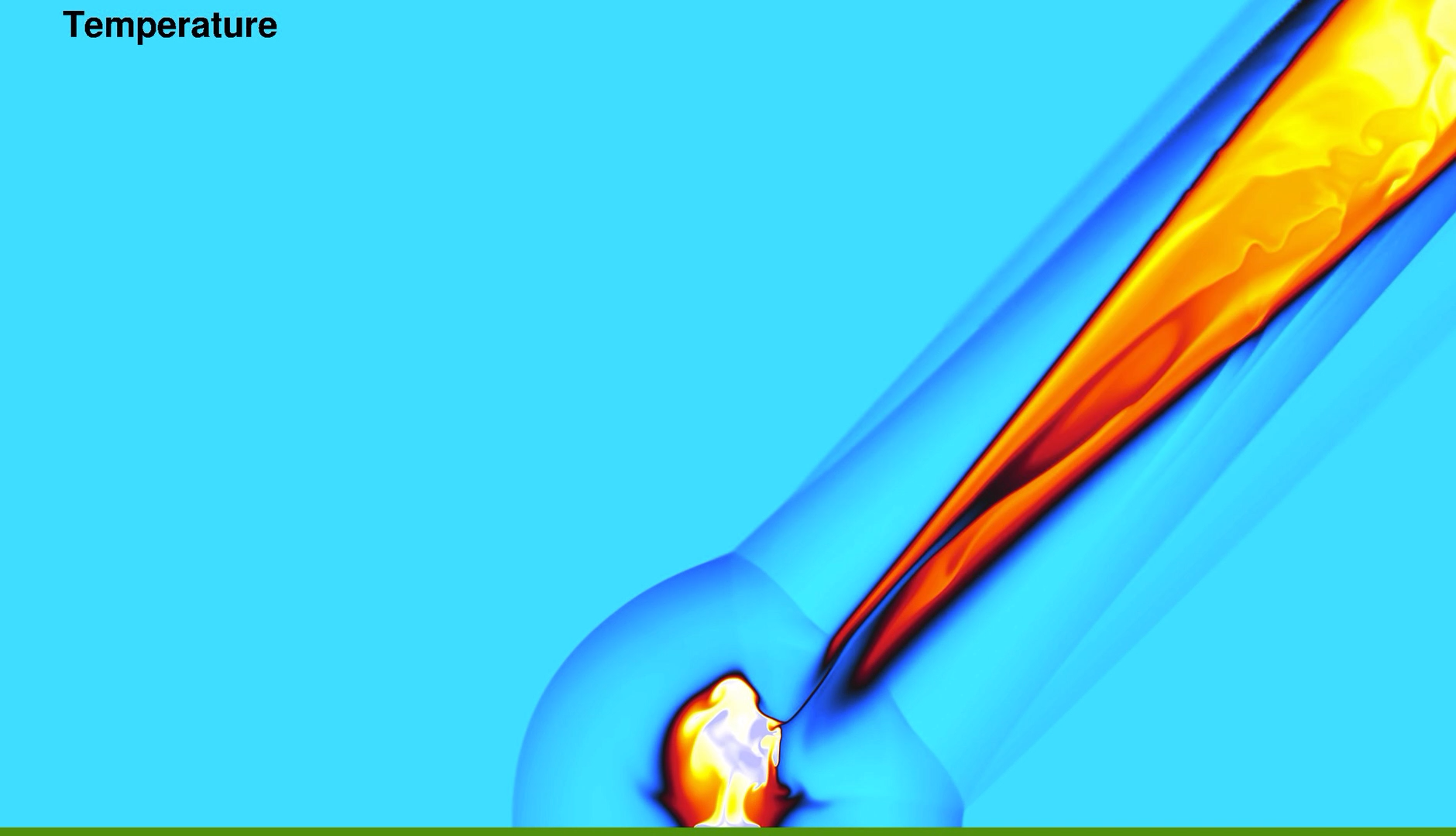
The ATAP team uses their Probabilistic Asteroid Impact Risk model and high-fidelity simulations to estimate the severity and likelihood of damage—due to blast waves, thermal radiation, tsunamis, and global climatic effects—that could result from potential asteroid impacts. In support of NASA’s Planetary Defense Coordination Office and the National Near-Earth Object Preparedness Strategy and Action Plan, the team is helping to develop the multi-agency threat assessment capabilities that will be employed in the event that an actual asteroid impact threat is discovered. These efforts are helping to make sure that all the key agencies know how to work together to assess such a threat and develop the most effective mitigation strategies.
Engineering Risk Assessment
When designing new aerospace vehicles or exploration systems, a thorough understanding of potential failures and the resulting risks is critical to making missions as safe and successful as possible. The ERA team’s assessments of new system designs, mission criteria, and failure scenarios support a variety of NASA mission areas, including:
- Launch Risk Modeling and Simulation: State-of-the-art risk modeling and simulations of vehicle failure environments provide valuable input for assessing and improving launch safety for NASA’s Space Launch System (SLS), Commercial Crew Program, and commercial launch partners. Probabilisitic models of failure propagation and abort risks help evaluate overall design safety and identify risk-driving failure mechanisms, while high-fidelity simulations provide a better understanding of the complex physics of flame propagation, debris strikes, overpressures, and other phenomena that could occur following a possible catastrophic event during launch.
- Mars Sample Return: The team’s probabilistic risk assessments and simulations support science missions such as NASA’s Mars Sample Return (MSR), which proposes to bring samples of Martian rocks and soil back to Earth for in-depth study. Probabilistic risk assessments of the MSR Earth Entry Vehicle (EEV) help to ensure that the samples can be landed safely Earth while maintaining reliable containment. To provide EEV engineers with key data for evaluating and comparing thermal protection system (TPS) materials, the team also runs high-fidelity simulations of TPS damage resulting from hypervelocity micrometeoroid impacts that could occur in space.
- Lunar Campaign: To help proactively prepare risk assessments capabilities for long-duration, multi-launch missions to the Moon, the ERA team developed a prototype dynamic probabilistic risk model, the Mission Architecture Risk Assessment (MARA), which could be used to support risk-informed design for long-term lunar campaigns, such as the Artemis Program.
- Urban Air Mobility: The team’s probabilistic risk models have supported the design and evaluation of uncrewed aerial systems being developed for possible use in urban areas.
