
NAS-Developed Pegasus 5 Wings Its Way to NASA's Software of the Year
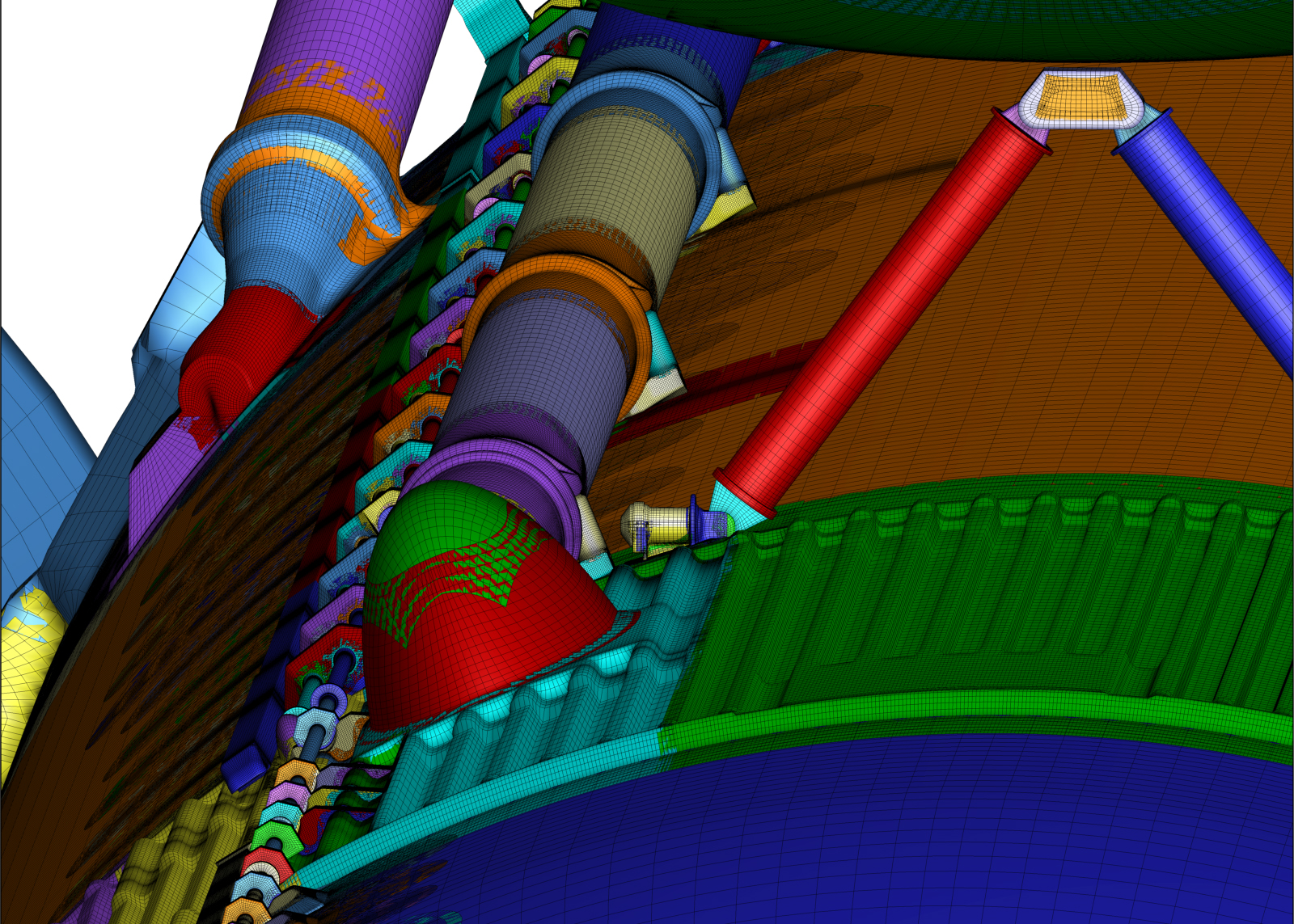
Pegasus 5, a revolutionary computational fluid dynamics (CFD) tool developed by a team led by aerospace engineer Stuart Rogers in the NASA Advanced Supercomputing (NAS) Division at NASA’s Ames Research Center, has been named co-winner of the 2016 NASA Software of the Year Award. The development team also includes Norman E. Suhs, aerospace engineer, Army Aviation Research Development & Engineering Center; and William E. Dietz, principal engineer emeritus, Kratos Defense and Security Solutions.
Pegasus 5 has been used for aerodynamic modeling and simulation by nearly every NASA program over the past 15 years, including the space shuttle, the next-generation Orion spacecraft and Space Launch System, and commercial crew programs. The software’s ease of use and advanced features have enabled researchers and engineers to overcome challenges in the so-called overset grid method of simulating complicated systems such as aerospace vehicles.
"My co-developers and I are deeply honored to receive this award from NASA,” said Rogers. "And we thank the many people who have used the software and provided feedback and suggestions, helping make Pegasus 5 such a valuable tool."
The overset grid approach involves breaking down complex computational domains into smaller regions that can be represented by relatively simple grids. Before Pegasus 5 became available, integrating these grids required many weeks of work by an expert CFD researcher—an onerous task prone to user error, especially as simulations and vehicle configurations increased in complexity. Pegasus 5 performs this essential function and provides additional usability features that greatly reduce the amount of work and level of experience required by the user.
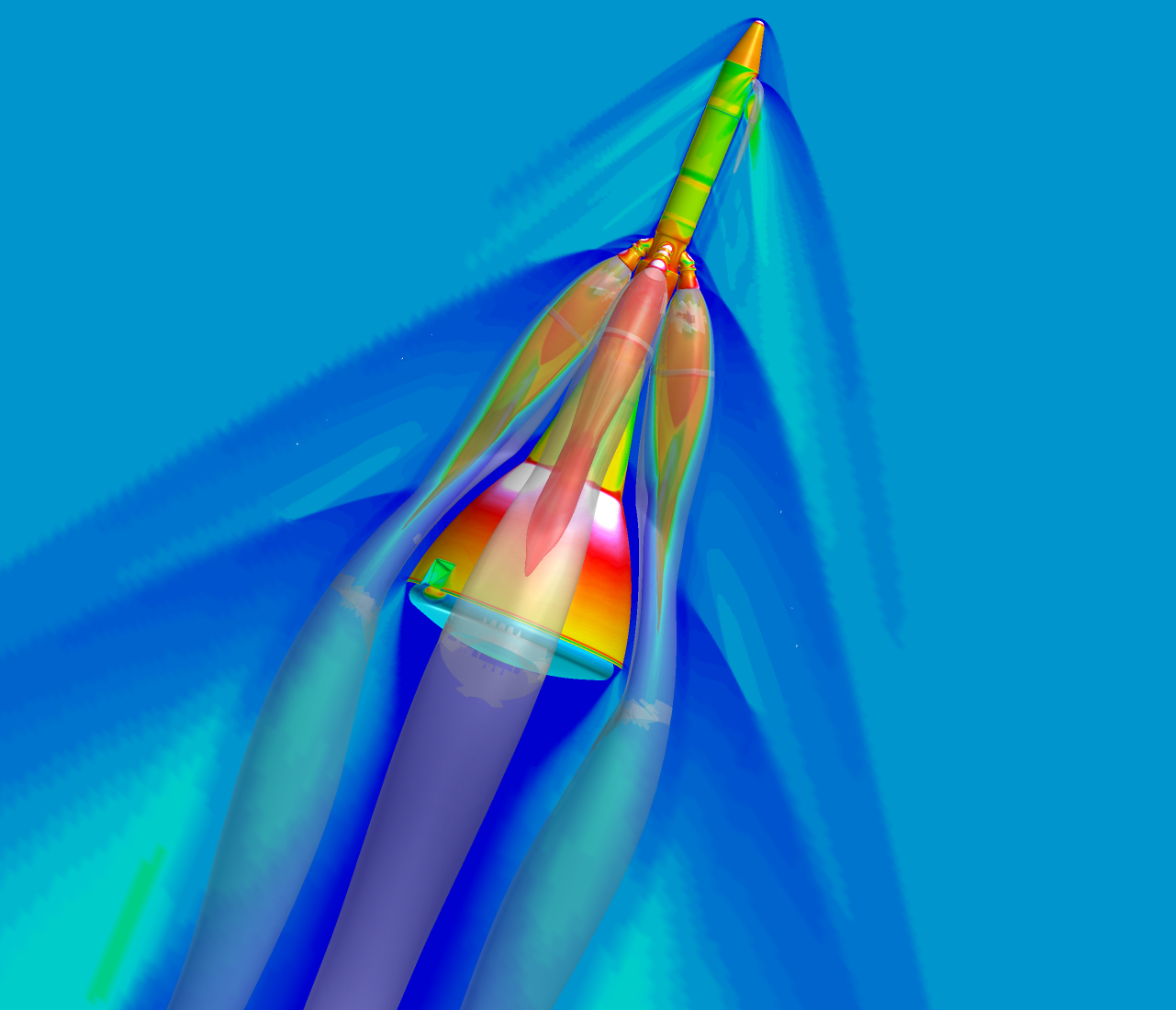
By providing seamless, automated integration of overset CFD grids, Pegasus 5 allows NASA programs to rely on overset CFD analysis as a primary data source for building aerodynamic databases.
In addition to widespread use within NASA, the software has also been released to over 100 professors and students at major universities, including Stanford University, Massachusetts Institute of Technology, John Hopkins University, the U.S. Air Force Academy, and many others. Commercial users include The Boeing Company, SpaceX, Sierra Nevada Corporation, and Lockheed Martin Space Systems.
Beyond aerospace, possible future uses for the software include industrial engineering and medical applications, such as analyzing designs for implantable heart devices.
Rogers is a two-time winner of the NASA Software of the Year award. In 1994, he was on the NAS Division team that developed the Incompressible Navier-Stokes CFD Solver (INS3D) code. NAS researchers also won this prestigious award in 1995, for the Flow Analysis Software Toolkit (FAST) and in 2002, for Cart3D.
— Michelle Moyer, NASA Ames Research Center
