
NAS 2024 Wrap-Up
12 Significant NAS Division Science & Engineering Projects of the Year

As we start the new year, take some time to check out these intriguing NASA projects—all led by experts in the NAS Division in 2024. These 12 endeavors focus on improving life on Earth and on learning more about how things work in the universe! All were presented last November at SC24, the International Conference for High-Performance Computing, Networking, Storage, and Analysis, in Atlanta, Georgia, where a record 18,000 attendees gathered from around the world—many who came to see the latest science and engineering impacts made possible by NASA high-end computing.
Analyze This! Aircraft Design and Performance
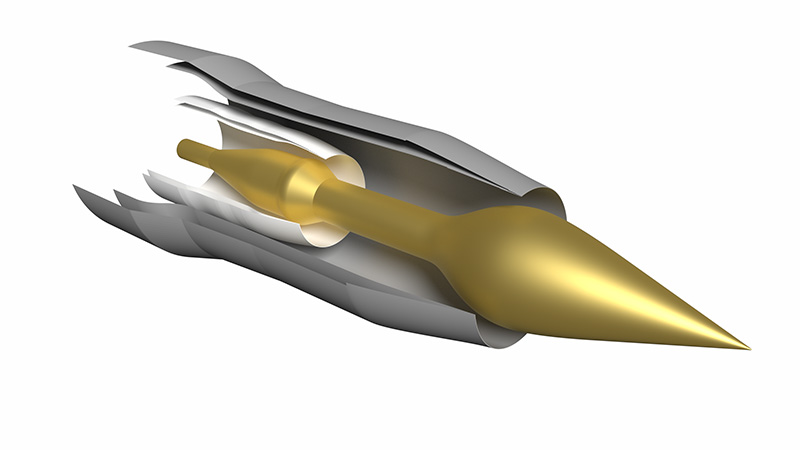
Supersonic Jet Acoustic Analysis
To support NASA’s project to reduce noise from future commercial supersonic aircraft, NAS researchers on the Launch, Ascent, and Vehicle Analysis (LAVA)team are addressing the challenge developing advanced propulsion systems dual-stream nozzles, which enhance propulsion efficiency while reducing noise.
Simulations for Jet Noise Prediction
To support national efforts to design quiet supersonic aircraft, a team of researchers in the NAS Division used the Launch, Ascent, and Vehicle Analysis (LAVA) software to predict jet noise during takeoff and landing conditions.
Analyzing Noise Predictions from High-Speed Aircraft
Another NAS research team ran simulations on the Aitken supercomputer to help design the Quesst Mission’s quiet supersonic X-59 flight demonstrator and analyze its potential performance before the first flight in 2025.
Optimizing Aircraft Performance
In support of NASA’s work on making commercial aircraft more efficient and sustainable, the LAVA team performed complex aerodynamic shape optimization simulations on NAS systems to adjust aircraft designs for improved performance.
Predicting the Aerodynamics of In-Flight Icing
The LAVA team also assessed the ability of scale-resolving numerical methods to better understand the effects of ice buildup on aircraft surfaces during flight. Using the Cabeus supercomputer’s GPUs greatly reduced the turnaround time for simulating complex icing configurations.
Enabling Sky-High Commutes
A team of NAS research scientists simulated the flow physics around NASA’s tilt-wing air taxi to provide a deeper understanding of the complex aerodynamic interactions during transition from hover to forward flight to enable safer and more efficient operation of the aircraft.
Simulate That! Safe Space Flight and Solar Forecasts
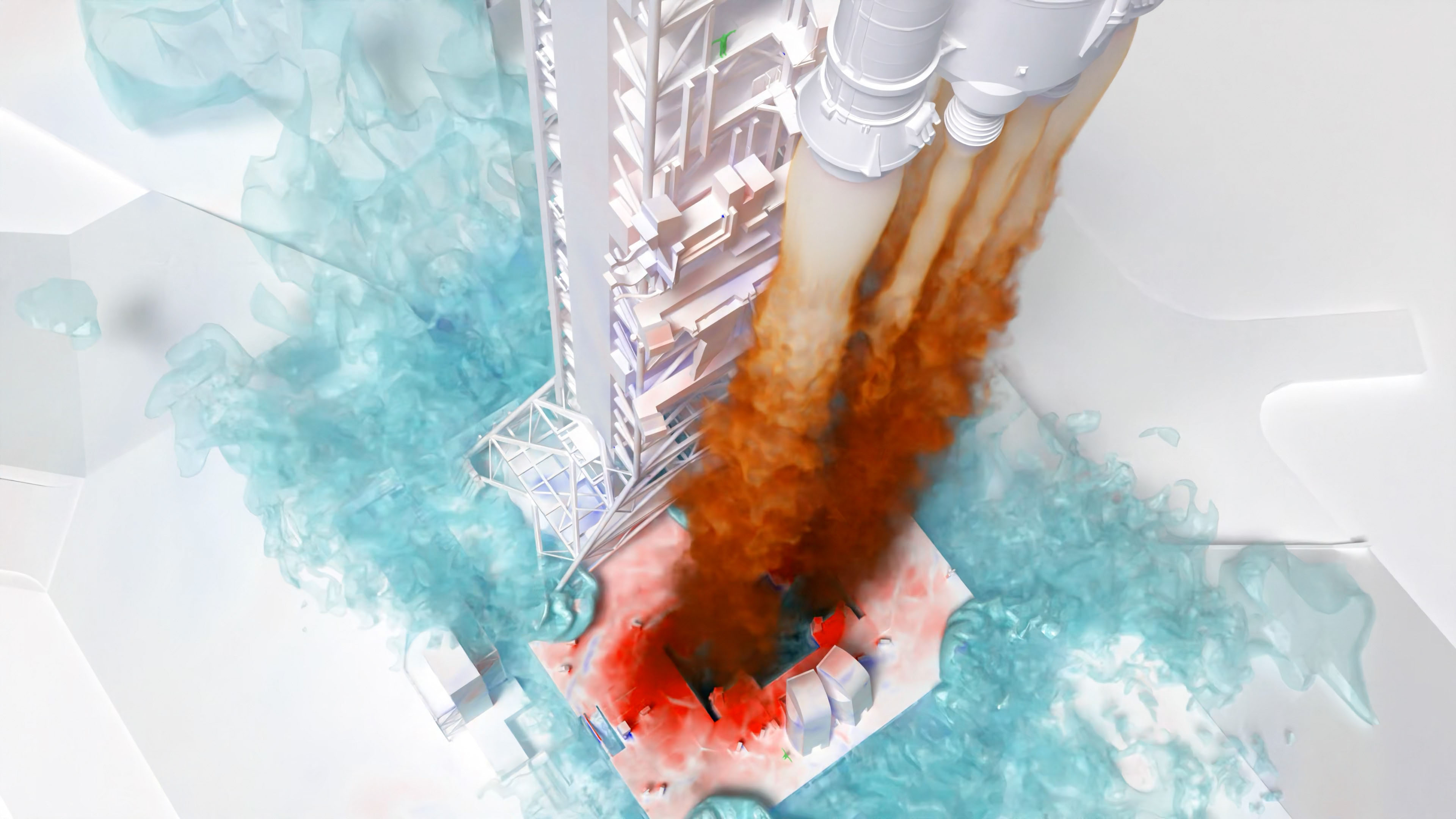
Analyzing the Artemis I Launch Environment
The LAVA team provided insight into the environment that caused damages during the Artemis I launch and is helping in the redesign of the launch pad and mobile launcher for the upcoming Artemis II launch in 2026.
Decoding Martian Dust
To lay the groundwork for safer and more reliable rotorcraft operations on other planets, aerospace engineers at NAS ran simulations to better understand the effects of Martian dust on the Ingenuity rotorcraft where clouds of dust are kicked up into the air around the vehicle.
Forecasting Space Weather Using Machine Learning
Forecasting space weather phenomena caused by the Sun’s activities, such as solar flares, is critical to helping protect technologies like satellites and power grids. NAS scientists significantly accelerated the training of machine learning models critical for processing large datasets from NASA observatories to predict the appearance of sunspots and other solar events.
Realistic Modeling of the Sun from Tiny to Large Scales
Scientists in the NAS Division ran 3D realistic radiative hydrodynamic and magnetohydrodynamic modeling dynamics of the Sun at unprecedented scales to address long-standing questions of solar dynamics, like improving our understanding of the origins of solar jets and tornadoes.
Tools & Tech: The Next Generation

Tackling NASA’s Most Challenging HEC Problems
To provide NASA users with a robust environment optimized to push the boundaries of scientific and engineering discovery both now and in the future, we expanded the HEC capabilities at the NAS facility, including a new hyperwall, new GPU resources, and more.
NASA-GPT: Searching NASA Technical Reports Using AI
NAS researchers created NASA-GPT, a chatbot and AI-enhanced search tool with access to several NASA report servers and data repositories, including the NASA Technical Reports Server, and which can answer specific questions about agency programs and NAS*rsquo;s HEC procedures.
In addition to these 12 presentations, small-group "NASA 101" sessions provided SC24 attendees with overviews of NASA topics ranging from how to apply for internships to the ins and outs of supersonic flight.
From everyone in the NAS Division, we wish you a happy and safe 2025!
—Jill Dunbar, NASA Ames Research Center
Learn more about all of NASA’s science and engineering demonstrations presented at SC24 by visiting the NASA@SC24 website
