HEC: Meeting Today’s Most Challenging Problems and Preparing for the Future
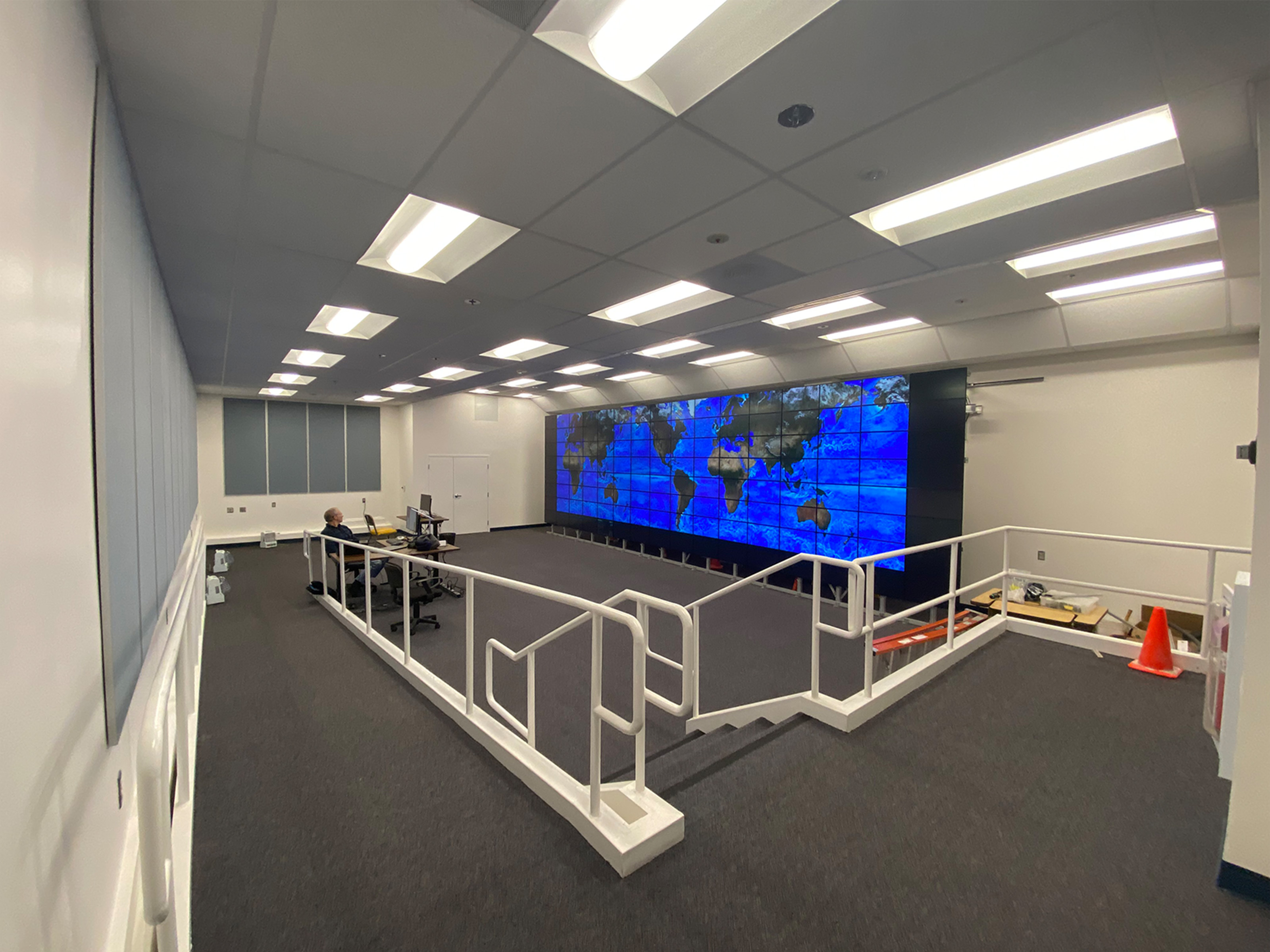
High-End Computing at NASA is changing to provide users with a robust environment optimized to push the boundaries of scientific and engineering discovery. NASA's challenging mission—to expand human presence in space, increase understanding of the universe and the Earth within it, and drive efficient and sustainable aviation—requires the agency to innovatively apply and extend humankind's most advanced capabilities, technologies, and knowledge. The High-End Computing (HEC) Portfolio provides a suite of such powerful leading-edge tools to support all of the agency’s programmatic Mission Directorates—Aeronautics Research, Exploration Systems Development, Science, Space Operations, and Space Technology. Additionally, HEC supports the NASA Engineering and Safety Center (NESC). In 2024, HEC has procured systems to double its GPU capability and deployed a new facility at NASA’s Ames Research Center that will house its next-generation CPU system.
High-end computing is an essential, powerful tool that enables NASA to meet its challenging mission driving advances in science, technology, aeronautics, and space exploration to enhance knowledge, education, innovation, economic vitality, and stewardship of Earth.
William Thigpen,
NASA Ames Research Center
Quick Facts
- In the last year, HEC deployed its latest hyperwall at the NASA Advanced Supercomputing (NAS) facility at Ames Research Center, with 128 4K screens –– providing a 300-square-foot display with over a billion pixels to help researchers display, analyze, and study high-dimensional datasets.
- HEC has also continued expanding NASA’s Modular Supercomputing Facility at NAS with a second compute module that has three megawatts of capability, furthering the agency’s path to energy-efficient computing.
- The installation of a 350-node NVIDIA GH200 system at NAS doubled the facility’s GPU capabilities, providing users access to new, more powerful computing resources.
- HEC staff have also made numerous operational improvements to fortify stability and reliability in the compute environment, helping to ensure that its science and engineering users can continue to meet their mission milestones.
Researchers
- William Thigpen, NASA Ames Research Center Please enable Javascript to see email address.
